
Table of Contents
Which Shipping Method Is Best for Cost, Speed & Reliability?
Dubai has become one of the world’s most powerful logistics hubs—connecting manufacturers, exporters, eCommerce sellers, wholesalers, and global brands to more than 200 international destinations. But even with this world-class infrastructure, businesses still face a crucial question every time they ship products abroad:
Should we choose Air Freight or Sea Freight?
This decision affects:

- Shipping cost
- Delivery timeline
- Cargo safety
- Inventory planning
- Customer experience
- Profit margins
- Supply chain stability
And with global shipping rates fluctuating in 2025, choosing the wrong mode can heavily impact your bottom line. That’s why we’ve built the most comprehensive, practical, and comparison-focused guide for businesses shipping from Dubai.
By the end of this 2000+ word blog, you will clearly understand:
- What air freight and sea freight actually mean
- Their full cost breakdowns
- Which is faster, safer, and more reliable
- When each method is best
- Real examples from Dubai businesses
- How to make the decision based on your product type
- Why many exporters rely on specialized logistics companies such as Nautical Gulf for unbiased guidance
Let’s compare them like professionals.
Air freight refers to the transportation of goods through commercial or cargo airlines. From Dubai, air freight is operated through:
- Dubai International Airport (DXB)
- Al Maktoum International Airport (DWC)
Air freight is known for:
- Speed
- Higher cost
- Ideal for urgent, high-value, and perishable shipments
- Electronics & spare parts
- High-value items (luxury, branded goods)
- Pharmaceuticals & medical supplies
- Fashion industry (seasonal urgent shipments)
- E-commerce express shipments
- Small but high-profit products
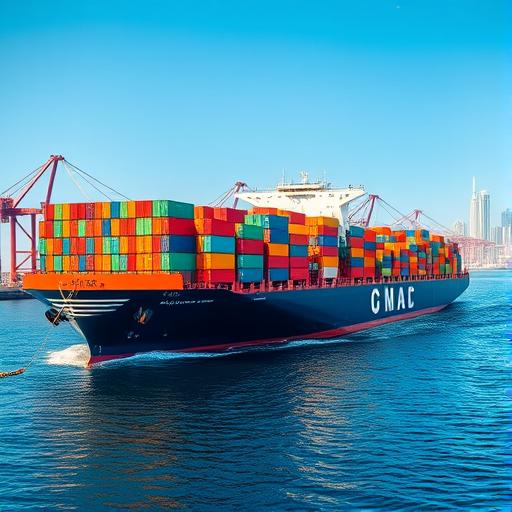
Sea freight refers to transporting goods through container vessels using:

- FCL (Full Container Load)
- LCL (Less than Container Load)
- Specialized containers (reefer, open-top, flat rack, etc.)
Dubai’s major ports include:
- Jebel Ali Port (top 10 busiest ports globally)
- Port Rashid
- Dubai Creek Terminal
Sea freight is known for:
- Lower cost
- Ability to carry huge volumes
- Slower transit
- Best for bulk, heavy, or large shipments
- Furniture & household goods
- Machinery & industrial parts
- Heavy equipment
- Food & beverages
- Bulk retail shipments
- Large B2B consignments
- Long-term inventory stock
| Factor | Air Freight | Sea Freight |
|---|---|---|
| Speed | Extremely fast (1–7 days) | Slower (18–45 days depending on route) |
| Cost | High cost per kg | Cheapest for bulk shipments |
| Best For | Urgent, high-value, fragile, low-volume cargo | Large, heavy, bulky, non-urgent cargo |
| Security | Very high | Moderate–High |
| Handling | Minimal handling | More handling steps |
| Reliability | Excellent schedules | Weather & port delays possible |
| Environmental Impact | Higher emissions | More eco-friendly |
| Capacity | Limited space | Massive capacity for any cargo type |
| Documentation | Quick & simple | More extensive |
| Suitability for Startups | Good for urgent parcels | Best for consistent bulk shipments |
Cost is often the biggest factor. Let’s break it down.
Air freight costs depend on:
- Chargeable weight (volumetric or actual weight)
- Airport handling fees
- Fuel surcharge
- Airline route and availability
- Packaging requirements
A 100–200 kg shipment from Dubai to Europe might cost between AED 10–20 per kg, depending on season. To the USA, rates may range between AED 16–28 per kg.
Smaller shipments (below 50 kg) often prefer air.
For sea freight, costs depend on:
- Container cost (FCL)
- CBM pricing (LCL)
- Terminal handling
- Destination port fees
- Customs clearance
- Additional documentation
A 20-ft container from Dubai to Europe can cost AED 7,500 – 12,000, while to the USA it ranges AED 22,000 – 30,000 depending on destination.
LCL rates may start around AED 300–600 per CBM.

- Middle East → Europe: 1–3 days
- Middle East → USA: 3–7 days
- Middle East → Asia: 1–4 days
Perfect for urgent or fast-moving businesses.
- Middle East → Europe: 18–30 days
- Middle East → USA: 28–45 days
- Middle East → Asia: 8–20 days
Slower, but the cost savings are massive.
- Luxury items
- Expensive electronics
- Perishables
- Medicine
- Fashion & textiles
- Replacement parts (urgent)
- Small batches
- Industrial machinery
- Heavy equipment
- Furniture
- Non-perishable retail goods
- Large eCommerce stock
- Bulk raw materials
- Far safer (minimal handling)
- Less chance of damage
- Best for fragile goods
- Strict cargo security laws
- More handling → higher risk
- Weather delays
- Container movement
- Better suited for durable goods
Sea freight is significantly more sustainable.
- Very high
- Not ideal for eco-conscious brands
- Low emissions per ton
- Greener, better for ESG commitments
More companies globally are choosing sea freight for sustainability.
- Ships high-value gadgets to Europe
- Customers expect fast delivery
→ Air Freight wins

- Large, heavy products
- No urgency
→ Sea Freight wins
- Medium urgency
- Not enough volume for sea freight
→ Air Freight wins
- Needs arrival before campaign date
→ Air Freight
- Big volumes
→ Sea Freight
These reviews reflect real-world experiences, not paid testimonials.
“Switching non-urgent shipments from air to sea reduced our logistics cost by nearly 40%. Our forwarder helped us calculate the exact break-even.”
“We use air freight only for priority orders; everything else goes by sea. The balance keeps our supply chain efficient.”
“Fragile products always go by air. Yes, it costs more, but the damage risk is practically zero.”
“Our business split method: samples via air, bulk shipments via sea. Works perfectly.”
Ask these questions before deciding:
- Yes → Air
- No → Sea
- Yes → Sea
- Yes → Air
- Fast-moving → Air
- Long-term stock → Sea
- Sea
- Air
Choosing air vs sea freight is not just about transport — it’s about:
- Cost engineering
- Route optimization
- Cargo safety
- Documentation handling
- Avoiding delays, demurrage & storage penalties
A good shipping company should:
- Give exact break-even calculations
- Compare carriers & airlines
- Provide multi-route options
- Offer LCL, FCL, express air, and economy air
- Handle customs documentation for both ends

Nautical Gulf stands out because:
- Strong global network for both air and sea
- Transparent pricing
- Real-time tracking
- Dedicated team for Dubai exporters
- Hands-on support for urgent shipments
- Expertise in both cargo modes
- End-to-end documentation support
- Route planning + cost optimization
- Trusted in UAE for high reliability
This makes them a dependable partner for businesses deciding between air and sea freight options.
Choosing between Air Freight vs Sea Freight from Dubai depends entirely on your cargo type, urgency, cost limits, and long-term business strategy. Both methods serve different purposes—but when used smartly together, they create a perfectly balanced logistics system.
With expert guidance, accurate cost breakdowns, and the right freight forwarder, your business can reduce expenses, boost delivery performance, and plan shipments more efficiently.
If you need a partner with a strong Dubai base and global shipping expertise, Nautical Gulf is naturally one of the most reliable choices.
