

Table of Contents
Dubai has earned its reputation as one of the world’s most powerful logistics and trade hubs. With ports like Jebel Ali, airports like Dubai International (DXB) and Al Maktoum International (DWC), and direct trade routes connecting Asia, Europe, Africa, and the Americas, global cargo moves through Dubai every single day.
However, behind every successful shipment lies one critical process that determines whether cargo moves smoothly or gets delayed — customs clearance.
This guide explains customs clearance services in Dubai in a clear, educational, trust-building way. Whether you are importing goods into the UAE or exporting cargo globally, this article will help you understand the process, documents, timelines, costs, risks, and how to choose the right customs clearance partner in Dubai.
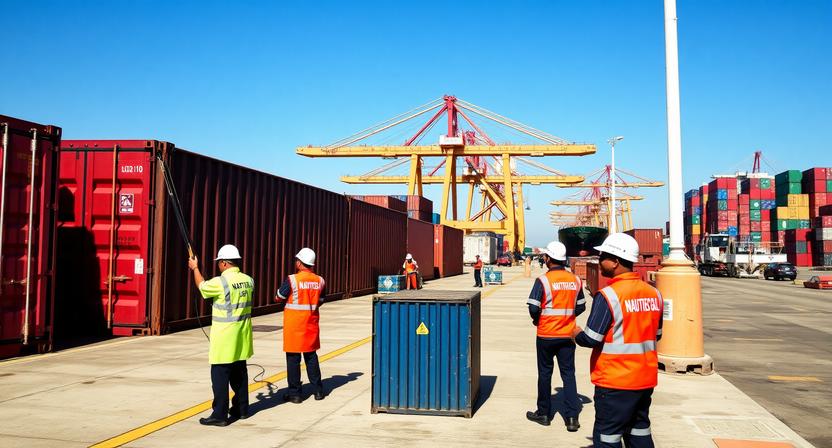
Customs clearance is the official process of declaring goods to government authorities when cargo enters or exits a country. In Dubai, this process is regulated by Dubai Customs, ensuring compliance with UAE laws, trade regulations, and international shipping standards.
Every shipment — whether by air, sea, or land — must pass through customs before it can be delivered or exported.
Customs clearance is not just paperwork. It is a legal, financial, and operational checkpoint that protects trade, revenue, safety, and national interests.
Dubai handles millions of tonnes of cargo annually. With such volume, even a minor documentation error can result in:
- Shipment delays
- Storage and demurrage charges
- Fines or penalties
- Cargo inspections or holds
- Shipment rejection or seizure
Efficient customs clearance ensures:
- Faster cargo release
- Legal compliance
- Cost control
- Smooth supply chain operations
- Business continuity for importers and exporters
Customs clearance services are required by:
- Importers bringing goods into the UAE
- Exporters shipping goods internationally
- Manufacturers sourcing raw materials
- Traders and distributors
- E-commerce sellers
- Retail chains
- Automotive and machinery importers
- Project cargo handlers
- Temporary importers (exhibitions, events)
Whether it’s a single shipment or continuous cargo flow, customs clearance is unavoidable.
Understanding the process helps businesses plan shipments better and avoid delays.
Before cargo arrives, documents must be prepared accurately. This includes:
- Commercial invoice
- Packing list
- Bill of lading or air waybill
- Certificate of origin
- HS code classification
- Import/export permits (if applicable)
Errors at this stage lead to delays later.

Cargo arrives at:
- Jebel Ali Port
- Port Rashid
- Dubai International Airport (DXB)
- Al Maktoum International Airport (DWC)
- Land borders (for GCC trade)
Once arrived, cargo cannot move without customs clearance approval.
The shipment details are submitted electronically through Dubai Customs systems. This declaration includes:
- Cargo value
- Nature of goods
- Origin and destination
- HS codes
- Duties and taxes calculation
Accuracy is crucial. Incorrect declarations can trigger inspections.
Dubai Customs uses advanced risk profiling systems. Based on cargo type:
- Green channel → Immediate clearance
- Yellow channel → Document verification
- Red channel → Physical inspection
High-risk or regulated goods are inspected more frequently.
Import duties and VAT must be paid before cargo release. Some goods are duty-free, while others attract customs charges.
Once payment is confirmed, clearance progresses.
After approval, cargo is released and can be transported to:
- Warehouse
- Free zone
- Retail outlet
- Manufacturing facility
- Export consolidation point
The most commonly required documents include:
- Commercial Invoice
- Packing List
- Bill of Lading / Air Waybill
- Certificate of Origin
- Import or Export Code
- Emirates ID / Trade License
- Insurance Certificate (if applicable)
- Permits for restricted items
Each shipment may have additional requirements depending on cargo type.
Import clearance applies when goods enter the UAE for:
- Local consumption
- Free zone storage
- Re-export
- Correct HS code classification
- Compliance with UAE product regulations
- Accurate cargo valuation
- VAT registration (if applicable)
Common imported goods include electronics, textiles, machinery, food products, furniture, and auto parts.
Export clearance is required when goods leave Dubai for international destinations.
- Legal export declaration
- Smooth international transit
- Acceptance by destination country customs
Exporters benefit from Dubai’s efficient clearance systems, often allowing same-day approvals.
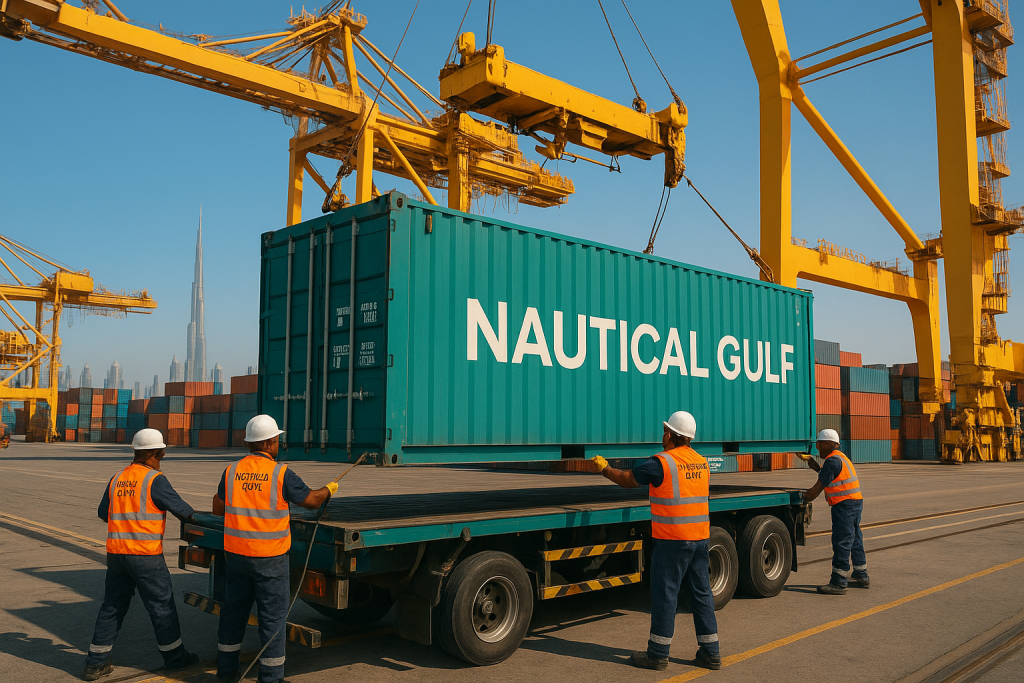
Dubai has multiple free zones including:
- JAFZA
- DMCC
- DAFZA
- Dubai South
- Dubai Airport Freezone
Customs procedures differ slightly for free zones, especially for:
- Duty suspension
- Re-exports
- Temporary storage
- Inter-free zone transfers
Proper handling avoids unnecessary duty payments.
Some goods require special approvals:
- Food items (Dubai Municipality)
- Pharmaceuticals (MOH)
- Cosmetics
- Chemicals
- Batteries
- Electronics with radio frequency
- Alcohol and tobacco
- Used machinery
Failure to obtain approvals can result in shipment holds.
Even experienced importers face challenges such as:
- Incorrect HS codes
- Under or over-valuation
- Missing permits
- Labeling non-compliance
- Incomplete documentation
- Last-minute regulation changes
Professional customs handling prevents these issues.
Clearance timelines depend on:
- Cargo type
- Documentation accuracy
- Inspection requirements
- Payment completion
Typical timelines:
- Air freight: 1–2 days
- Sea freight: 2–4 days
- Land cargo: 1–3 days
Efficient coordination reduces delays significantly.
Costs vary based on:
- Cargo value
- Type of goods
- Duty rates
- VAT
- Service charges
- Inspection fees
A transparent customs clearance service provides cost clarity upfront.
Using experienced customs clearance services in Dubai offers:
- Regulatory expertise
- Faster approvals
- Risk mitigation
- Cost optimization
- End-to-end shipment visibility
For businesses, this means peace of mind and predictable logistics operations.
When selecting a provider, consider:
- Dubai Customs registration
- Local regulatory knowledge
- Experience with your cargo type
- Strong port and airport presence
- Transparent communication
- End-to-end logistics support
A strong local partner makes customs clearance seamless.
Dubai’s customs ecosystem is globally recognized due to:
- Digital clearance systems
- Advanced risk management
- Business-friendly regulations
- Strong trade infrastructure
- Strategic geographic location
This makes Dubai ideal for global trade operations.
Customs clearance works best when integrated with:
- Freight forwarding
- Warehousing
- Distribution
- Last-mile delivery
This integrated approach ensures faster cargo movement and lower costs.
Customs clearance is not just a formality — it is a strategic component of international shipping success. Businesses that understand and manage customs processes efficiently gain a strong competitive advantage.
For companies operating in or through Dubai, working with an experienced, locally established logistics partner ensures compliance, speed, and reliability.
A trusted name like Nautical Gulf, with deep expertise in Dubai’s customs regulations and international logistics operations, provides end-to-end customs clearance support that helps businesses move cargo smoothly, legally, and efficiently across global borders.
