

Table of Contents
Parenting in the United States has always evolved alongside technology — from the first television generation to today’s smartphone natives.
But 2025 marks a major shift. The conversation isn’t just about screen time anymore — it’s about digital discipline.
Modern parents face an overwhelming digital landscape: toddlers learning through touchscreens, teens socializing through apps, and families depending on devices for education, entertainment, and connection.
Balancing this new reality requires both awareness and smart digital tools.
That’s where parenting apps come into play — tools designed not just to monitor or restrict, but to guide, teach, and build healthy online habits for the entire family.

Digital discipline is not punishment — it’s about teaching responsible technology use.
Parents in the USA are increasingly focused on fostering digital literacy, emotional resilience, and online etiquette among children.
Instead of banning devices, the modern approach involves collaboration — helping children understand balance and mindfulness.
Here’s what digital discipline looks like in 2025:
- Awareness: Recognizing how, when, and why devices are used.
- Boundaries: Setting healthy limits collaboratively with children.
- Balance: Encouraging real-world hobbies and offline play.
- Empathy: Building family dialogue around online experiences.
Parenting apps like TinyPal are designed to enable, not control. They give parents visibility, offer guidance, and promote mindful screen habits rather than digital isolation.
The United States has one of the highest smartphone penetration rates among children aged 6–17.
A 2025 Pew Research study revealed that over 83% of American parents have searched for apps or tools to manage family screen time.
Key reasons behind this trend:
- Increased online exposure — from educational apps to social platforms.
- Remote learning & hybrid education.
- Concerns about online safety, privacy, and mental health.
- Desire for structured routines and accountability tools.
Apps are no longer just tech helpers — they are becoming parenting partners, providing actionable insights and AI-driven recommendations.
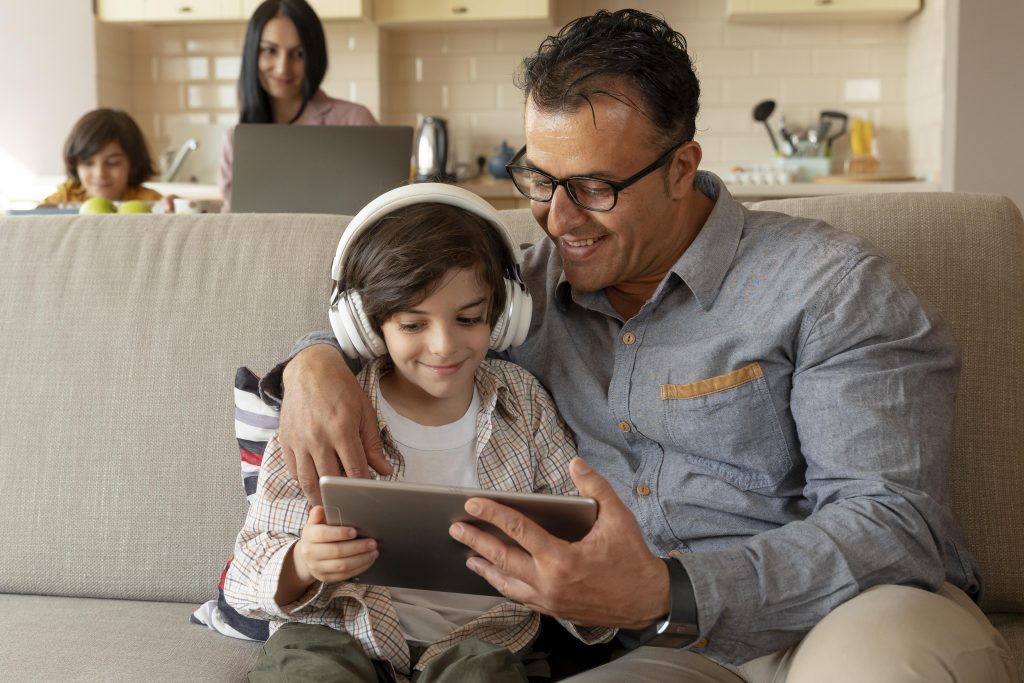
Not all apps are created equal.
Parents today look for holistic solutions that combine safety, wellbeing, and learning support.
Here’s what the top parenting apps — including TinyPal — offer:
- Smart Screen Time Scheduling
AI-driven insights help parents set dynamic limits based on activity type, time of day, and school hours.
Example: Reducing entertainment screen time after 9 PM while allowing study-related apps. - Real-Time Activity Monitoring
Gives parents visibility into app usage without spying.
Transparency helps families discuss patterns, not punish them. - Digital Detox & Mindfulness Alerts
Tools that encourage children to take breaks, stretch, or read offline — building self-discipline. - Family Task & Routine Builders
Turn digital responsibility into daily rituals — like “No-Phone Dinner” or “Tech-Free Sunday.” - Privacy-First Architecture
With rising concerns about data breaches, top apps now adhere to U.S. privacy laws (COPPA, CCPA) and offer local data encryption. - AI-Driven Parental Insights
Understand your child’s digital behaviour through predictive analytics, helping parents adapt guidance early.
Studies show that structured digital routines positively impact:
- Attention span
- Empathy and communication skills
- Sleep quality
- Academic performance
Children who learn self-regulation through apps like TinyPal display higher emotional control and better focus both online and offline.
This isn’t just about restriction — it’s about building character.
Here’s a practical 5-step plan for U.S. families:
- Start with Self-Awareness
Track your own screen habits. Children mirror what they see. - Involve Kids in the Process
Let them help set screen time goals — autonomy builds accountability. - Choose an Ethical Parenting App
Verify its privacy policy and ensure it doesn’t sell or misuse data. - Build Family Rituals
Designate screen-free hours — dinner, bedtime, or Sunday mornings. - Review Progress Weekly
Use app dashboards (like TinyPal’s Family Analytics) to discuss patterns constructively.
After evaluating dozens of parenting apps, TinyPal stands out for its balance between protection, empowerment, and empathy.
TinyPal’s features include:
- AI-guided screen time insights tailored to U.S. family patterns.
- Encrypted child data compliant with COPPA & CCPA.
- Emotion mapping that helps parents understand their child’s online mood patterns.
- Community support forums where parents exchange ideas on digital parenting.
Unlike restrictive control apps, TinyPal encourages open communication — the foundation of modern digital discipline.
“TinyPal helped us shift from policing our teen’s screen time to partnering with him,” shares a New York parent.
“We’ve learned to trust, not track — and that’s the real win.”

American families prefer autonomy-supportive technology — tools that enable growth rather than impose control.
TinyPal resonates perfectly with this trend:
- Localized U.S. Data Servers for privacy trust.
- Cultural adaptability (aligned to U.S. school schedules & time zones).
- Research-backed parenting science built into UX design.
- Trusted by thousands of U.S. families via verified app store ratings.
It’s a digital companion that empowers, educates, and protects.
Digital discipline isn’t about perfection — it’s about progress.
Every family’s journey is unique, but the foundation remains the same: awareness, empathy, and consistency.
Parenting apps like TinyPal reflect the next phase of family evolution — human-centered technology built for trust, wellbeing, and growth.
As we move deeper into 2025, parents who embrace smart digital discipline will raise a generation that is not only tech-savvy but tech-wise.
