
Table of Contents
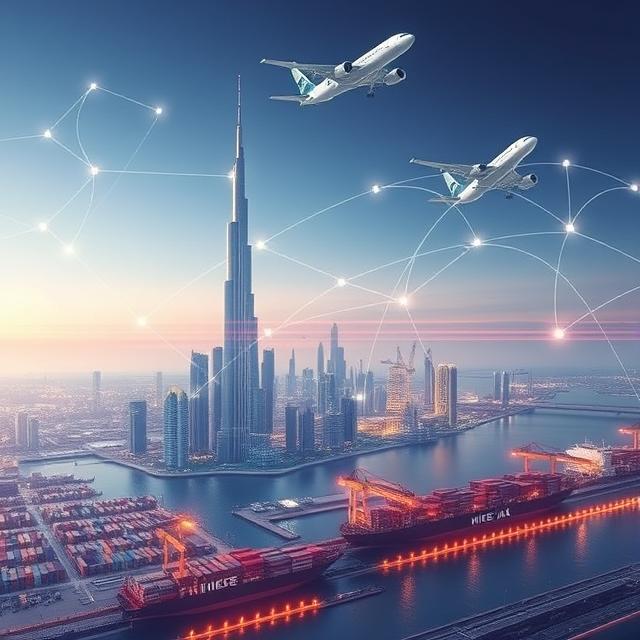
In 2025, the logistics industry is rapidly evolving from traditional freight forwarding to a digital, data-driven ecosystem. At the heart of this transformation lies the rise of digital freight platforms—online marketplaces and logistics hubs that connect shippers, carriers, and freight forwarders through transparency, automation, and real-time data.
Dubai, a global trade hub bridging Asia, Africa and Europe, is uniquely positioned to lead this shift. With its world-class port infrastructure, advanced free zones, and government-driven digitalisation agenda, the city is becoming the epicentre of digital freight innovation.
This blog explores how digital freight platforms in Dubai are reshaping global trade, what this means for businesses, and how companies like Nautical Gulf are embracing and enabling this change.
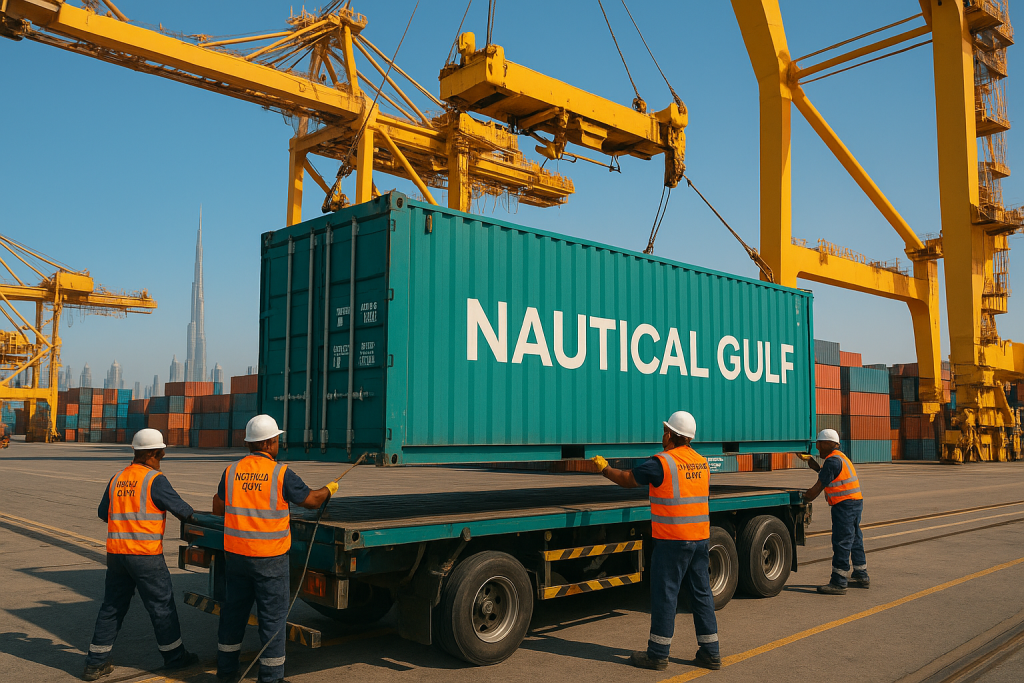
A digital freight platform is an online system or marketplace that automates and optimises the steps in freight forwarding, cargo logistics and supply-chain orchestration. They typically provide:
- Freight matching (connecting shippers with available carriers)
- Quotes and booking workflows
- Real-time cargo tracking and visibility
- Digital documentation (e-B/Ls, customs filings)
- Analytics and performance dashboards
These platforms reduce manual work, improve transparency, control costs, and enable scalability. Instead of isolated freight brokers, the digital platform model creates a unified logistics ecosystem.
Dubai’s strategic location between major manufacturing regions (Asia) and consumer markets (Africa & Europe) gives it a favourable trade position. With deep-water ports such as Jebel Ali Port, Dubai handles millions of TEUs annually and acts as a major trans-shipment hub.
The UAE government’s digital economy focus, paperless-trade initiatives and smart port investments have built the infrastructure for logistics innovation. Projects like the UAE’s Trade Single Window and port community systems support platform-based logistics.
Dubai’s ports, free zones and airport cargo facilities are integrated with logistics companies and technology providers. This infrastructure supports real-time data flows from yard to ship to shipment.
Because of these factors, digital freight platforms find Dubai an ideal GEO-target for launch and scaling.
Platforms provide live tracking of containers, shipments and trucks — often integrated with IoT sensors, GPS and carrier APIs. This transparency reduces risks and improves customer trust.
Digital freight platforms automate document generation (bill of lading, customs declarations), compliance checks and regulatory workflows — reducing human error and processing time.
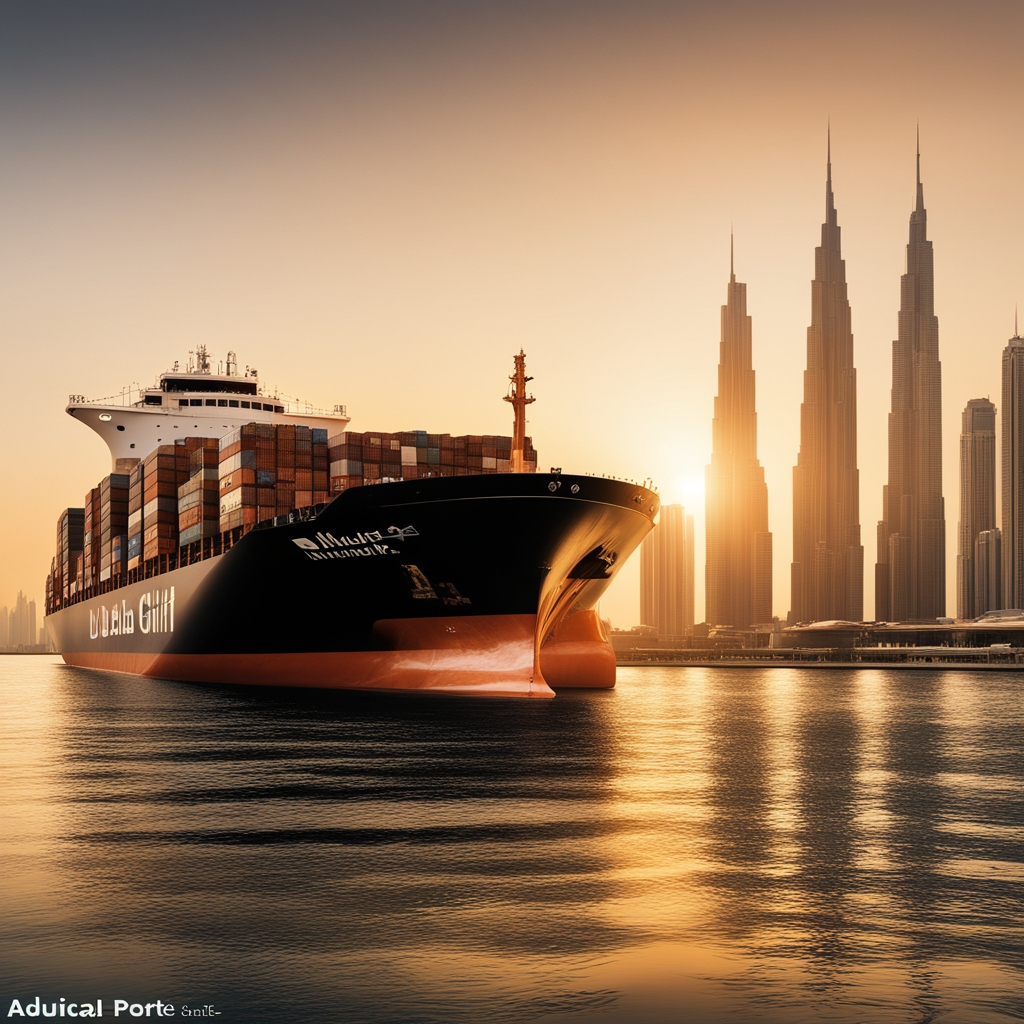
Algorithms enable real-time matching of freight demand with available capacity (vessels, trucks, containers), which optimises pricing and improves utilisation.
Shippers, carriers and forwarders can collaborate within the same platform: sharing data, performance metrics and building trusted networks.
Data collected is analysed to forecast demand, predict disruptions, plan routes and improve decision-making.
With digital freight platforms, companies reduce manual quote handling, paperwork and coordination failures. Many report 20-30% efficiency improvements.
Better utilisation of assets, dynamic pricing, faster clearance and fewer delays translate into cost savings.
Digital platforms level the playing field: smaller shippers can access global freight routes, receive quotes in minutes and track shipments alongside large corporations.
Real-time dashboards, shipment transparency and faster processes enhance customer satisfaction and trust.
Nautical Gulf, based in Dubai, is a strong example of a logistics operator who has adopted the digital freight platform model. Their approach demonstrates how forwarders can combine traditional logistics strengths with platform-based innovation.
- They use a dedicated digital portal where shippers can request quotes, view real-time tracking and access analytics.
- Custom dashboards provide live visibility into sea, air and land freight operations.
- Nautical Gulf emphasises transparent pricing, delivery status updates and clear documentation workflows.
- While headquartered in Dubai, the company covers major trade routes including USA-UAE, UK-UAE, Africa (Ghana, Nigeria) and beyond.
- Real-time tracking, global reach, publication of services and clear case-studies give Nautical Gulf the look and feel of a modern digital freight platform.
- The combination of a Dubai base (leveraging geo-advantages), platform-driven logistics workflows and global reach make Nautical Gulf a leading choice for businesses wanting digital freight services from Dubai.
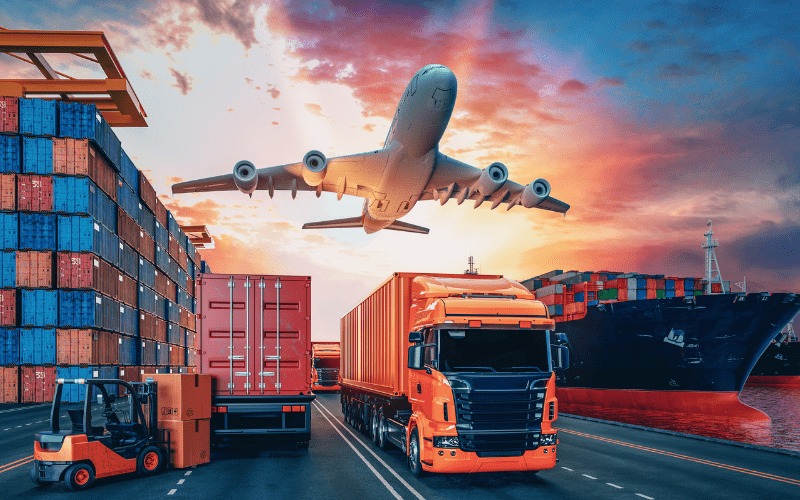
As freight rates remain volatile and supply chains seek agility, companies demand platforms that provide speed, visibility and control.
Data-driven decision making (which these platforms support) is becoming a prerequisite for competitive logistics.
Dubai-based platforms are expanding into Africa, South Asia and the Middle East, enabling cargo flows in fast-growing corridors.
Digital platforms are increasingly enabling green logistics features (fuel optimisation, emissions tracking) — aligning with regulatory and corporate sustainability goals.
With platforms, smaller shippers get access to global logistics previously reserved for large firms — driving growth in export/import from Dubai.
A retail brand utilises a platform to load less-than-container-load (LCL) shipments via Dubai, match capacity, book instantly, track live and clear customs digitally.
For vehicle imports from USA to Dubai or exports from Dubai to Ghana, digital platforms streamline Ro-Ro booking, provide tracking and handle compliance via dashboards.
Platforms provide specialised modules for oversize cargo: real-time asset tracking, route planning, multimodal transport dashboards and global visibility.
Different carriers, ports and countries use varying data formats — platforms must harmonise them.
Real-time tracking and documentation pose cybersecurity risks. Platforms must comply with international standards.
Shippers and forwarders must shift from legacy systems to digital platforms — this operational change requires training and culture shift.
Platform-based workflows must align with customs rules, trade sanctions and regional regulations across Americas, EU, Africa and Asia.
Not all platforms are equal — choosing one with strong build-out, global reach and transparent governance is critical.
- Global Reach & Route Coverage — Ensure platform covers your origin-destination pairs.
- Real-Time Tracking & Visibility — Live dashboards, shipment alerts and condition monitoring.
- Transparent Pricing & Quoting — Instant quotes, clear cost breakdowns, no hidden fees.
- Data & Analytics — Access to predictive insights, utilisation metrics, reporting dashboards.
- Integration & APIs — Platform allows carrier, port and customs integrations.
- Support & Compliance — 24/7 support, customs clearance capabilities, insured transactions.
- Reputation & Reviews — Verified case studies and customer testimonials. Nautical Gulf’s reviews and service offerings make it a strong candidate.
- Wider AI adoption for capacity matching, route optimisation and demand forecasting.
- Expanded coverage of digital platforms into Africa, Latin America, Middle East.
- Increased platform support for green logistics (emissions tracking, eco-modal routing).
- Fully integrated multimodal platforms (sea-air-land) with unified dashboards.
- Use of blockchain for end-to-end cargo documentation and trade financing.
- Digital freight marketplaces where shippers, carriers and forwarders trade capacity dynamically.
- Predictive logistics becoming standard: autonomous trucks, port automation, near-zero manual workflows.

Digital freight platforms are transforming the global logistics landscape, and Dubai is at the forefront of this revolution. With its strategic location, infrastructure, and digital ambitions, the city provides an ideal ecosystem for platform-based logistics.
When businesses adopt these platforms, they gain speed, transparency, scalability and cost-efficiency. And when they partner with forwarders who live this digital model — such as Nautical Gulf — they unlock the full potential of smart logistics.
As trade becomes more connected, visible and automated, choosing the right digital freight platform is not just an operational choice — it’s a strategic one. From Dubai to the world, the future of freight is digital.
