
Table of Contents
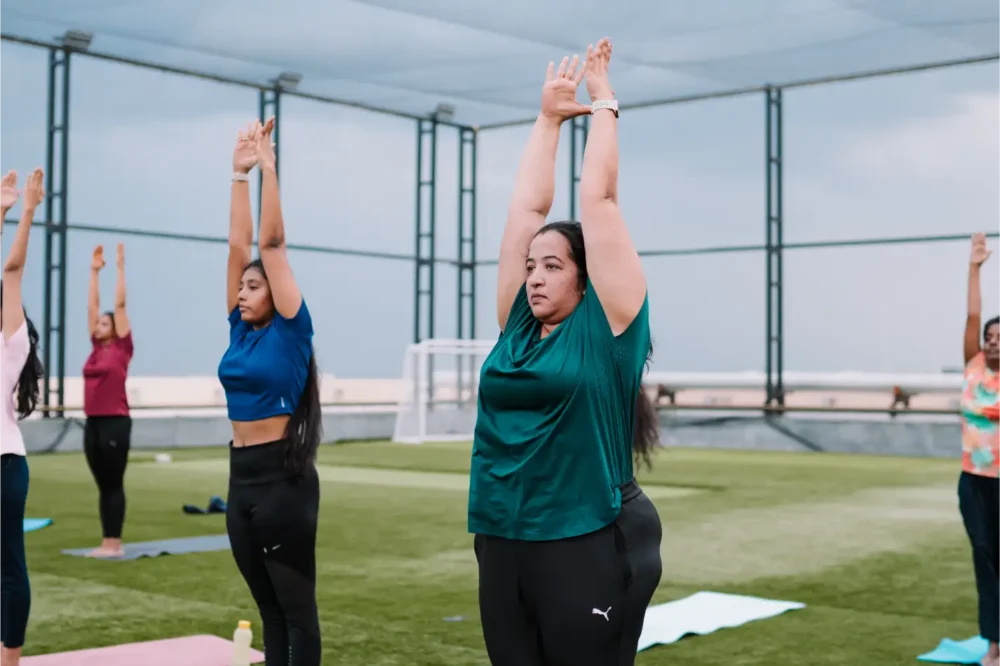
Live online yoga classes offer a structured way to practice yoga from home while still receiving real-time guidance from an instructor. Unlike prerecorded videos, live sessions allow participants to follow a schedule, observe demonstrations, and receive basic feedback during practice. This combination helps many people maintain consistency, improve posture awareness, and build a calm daily routine.
For individuals balancing work, family responsibilities, or long commuting hours, live online classes remove many barriers that prevent regular practice. Instead of traveling to a studio, participants can join sessions from their living room while still being part of a guided environment.
In cities such as Chennai, where busy schedules and urban routines often limit personal wellness time, live online yoga has become an accessible way to maintain physical movement and mental balance. Some local wellness providers, including Outdoor Yoga Chennai, combine online and outdoor sessions to offer flexible practice options for beginners and experienced practitioners alike.
Live online yoga classes are instructor-led yoga sessions conducted in real time through video platforms, where participants practice simultaneously while receiving verbal guidance and demonstrations from the teacher.
These classes replicate many elements of an in-person yoga session:
- A scheduled class time
- Guided posture sequences (asanas)
- Breathing practices (pranayama)
- Relaxation or meditation segments
The key difference is that the session takes place virtually, allowing participants to join from home while remaining connected to a live instructor.
Modern lifestyles have changed the way people approach health and movement. Long hours at desks, digital screen exposure, and commuting routines can leave little time for consistent physical activity.
Yoga offers a gentle yet effective response to these challenges.
Instead of high-impact exercise, yoga encourages slow movement, breathing awareness, and body alignment. These practices help people reconnect with their physical rhythm.
Live online yoga makes this process more accessible. It bridges the gap between professional instruction and home convenience.
For working professionals, parents, and individuals managing unpredictable schedules, the ability to attend a guided class without leaving home can make the difference between practicing regularly and not practicing at all.
In many ways, live online yoga reflects a broader shift toward flexible wellness habits.
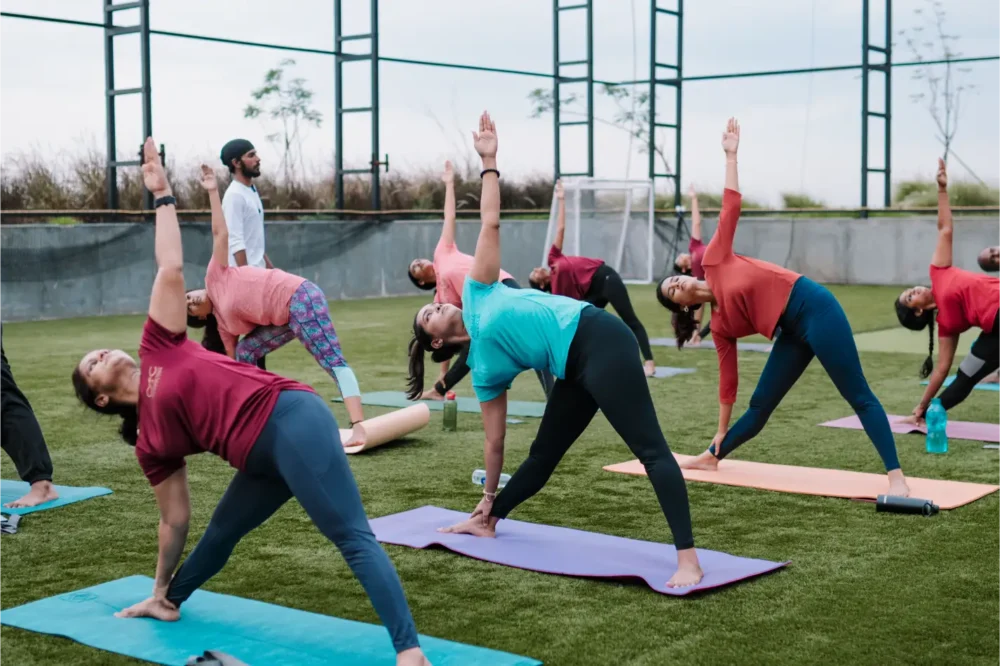
Although formats vary, most live online yoga sessions follow a predictable structure that mirrors studio classes.
Participants register for a class and join at a specific time using a video platform.
Having a fixed schedule helps maintain consistency and discipline.
The instructor demonstrates each movement while explaining alignment cues and breathing patterns.
Participants follow along in real time.
The class usually progresses through gentle warm-up movements followed by a series of yoga postures.
These sequences may include standing poses, seated stretches, or balance exercises.
Breath control is a central part of yoga practice. Instructors guide participants through calm breathing rhythms during transitions.
Most sessions end with a brief relaxation or meditation period to help the body settle after movement.
This structured flow is one reason live online yoga can feel more engaging than watching prerecorded videos.
Live online yoga offers several advantages that support both physical and mental wellness.
One of the most important benefits is the presence of a live instructor.
Participants can follow clear verbal cues that help them understand posture alignment and breathing rhythm.
Even though physical correction is limited, real-time explanation reduces confusion compared to prerecorded content.
Many people struggle with self-guided exercise routines.
Live classes introduce accountability. When participants know a session begins at a specific time, they are more likely to attend regularly.
Consistency is often more valuable than intensity when developing a long-term wellness habit.
For individuals with demanding schedules, commuting to a yoga studio can become a barrier.
Live online sessions eliminate travel time.
This accessibility makes it easier to integrate yoga into daily routines.
Practicing yoga at home can feel less intimidating for beginners.
Some individuals feel self-conscious in studio environments, especially during their first few sessions.
Home practice allows them to learn at their own pace.
Many live yoga programs offer multiple time slots throughout the day.
Participants can choose sessions that align with their work schedules.
This flexibility is particularly valuable for working professionals or parents managing family responsibilities.
Yoga integrates movement with breathing and relaxation.
This holistic approach helps participants develop both physical flexibility and mental calm.
Live classes maintain the rhythm of guided practice, which can be difficult to replicate alone.
Consider a marketing manager working long hours in a technology company.
Her schedule includes early meetings and late evening deadlines. Traveling to a yoga studio three times a week would be difficult.
Instead, she joins a 30-minute live online session each morning.
The class begins with breathing exercises, followed by gentle stretches and standing poses.
Over time, this short daily routine becomes a stable anchor in her schedule.
She reports feeling more focused and physically relaxed throughout the day.
Another example is someone who has been inactive for several years and wants to start moving again.
A full gym environment may feel overwhelming.
Joining a live online beginner yoga class allows him to practice quietly at home while following structured guidance.
Gradually, he becomes comfortable with basic movements and develops confidence in his body’s capabilities.
Yoga emphasizes slow, controlled movement.
Over time, regular practice may support:
- Improved flexibility
- Better posture awareness
- Gentle strengthening of core muscles
- Increased mobility in joints
- Balanced breathing patterns
These effects develop gradually through consistent practice.
Beyond physical movement, yoga also supports emotional well-being.
Participants often describe feeling:
- Mentally calmer
- Less distracted by daily stress
- More aware of breathing patterns
- Better able to relax before sleep
The relaxation phase at the end of each session plays an important role in this experience.
For beginners, the key is to start slowly.
Here are a few practical suggestions:
Look for programs specifically labeled as beginner-friendly.
These sessions move at a slower pace and focus on fundamental poses.
A small open area with a yoga mat is sufficient.
Avoid clutter so movements remain safe.
Flexibility improves gradually.
Beginners should focus on comfort and breathing rather than achieving perfect poses.
Attending two or three sessions per week can help build familiarity with movements.
Some misconceptions prevent people from trying live online classes.
While prerecorded videos can feel impersonal, live sessions maintain real-time guidance and structure.
Yoga adapts to the individual. Many poses have beginner modifications.
Creating a small dedicated practice space can significantly improve focus.
Understanding these points helps people approach online yoga with realistic expectations.
- Place your device where the instructor is clearly visible.
- Position your mat so your full body fits comfortably in the camera view.
- Wear comfortable clothing that allows free movement.
- Join the session a few minutes early to settle into the space.
- Focus on breathing rather than perfect posture.
These simple steps help create a smooth and comfortable learning experience.
Yes. Many programs offer beginner-friendly sessions that introduce basic poses and breathing techniques gradually.
Two to four sessions per week is a sustainable starting point for most people.
A yoga mat and comfortable clothing are usually sufficient.
With regular practice, yoga movements can support gradual improvements in flexibility.
Live sessions often provide clearer guidance and structured pacing, which many beginners find helpful.
Practicing in a clear space and following instructor guidance can help maintain safety during sessions.
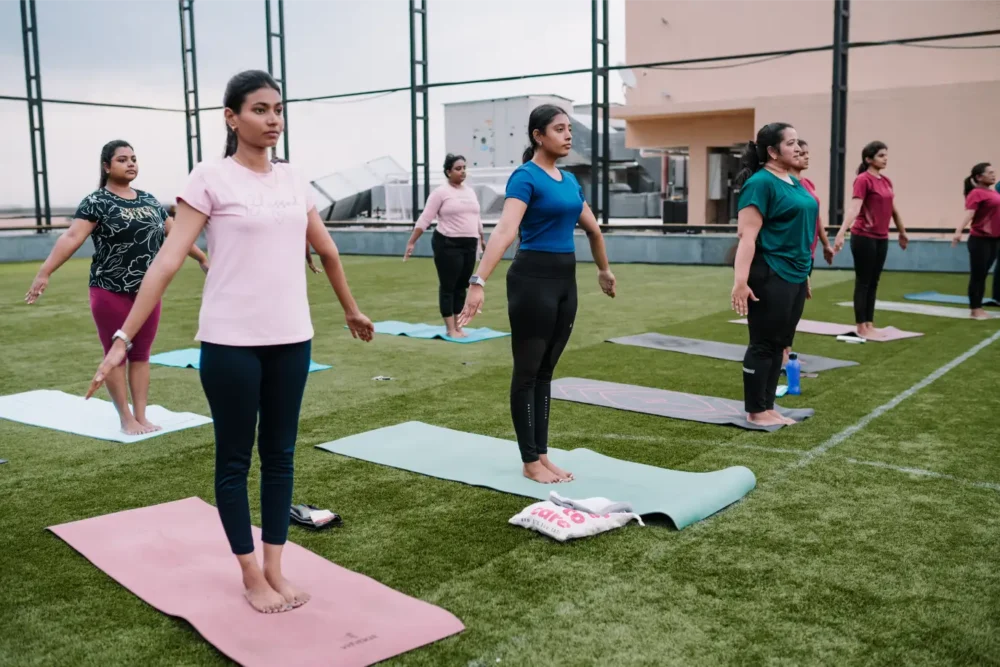
Live online yoga classes represent a practical blend of guidance and convenience. They allow individuals to participate in structured sessions without the time commitment of traveling to a studio.
For many people, especially those navigating busy schedules, this accessibility makes consistent yoga practice possible.
Rather than focusing on perfect postures or intense routines, the value of yoga lies in steady awareness of movement and breath. Over time, small, regular sessions can become a grounding part of everyday life.
The most meaningful benefits often emerge quietly: a calmer mind, a more relaxed body, and a renewed sense of balance in daily routines.
